


We all love the feeling we get from swinging a leg over our motorcycles. And let’s be honest, you just can’t get that feeling from any four-wheeler, no matter how fast it is.
But when it comes to safety, motorcycles fall a bit short. And that’s completely okay! You want thrills from your bike. You want to feel adventurous every time you ride it hard and fast. But that doesn’t mean you should compromise on safety.
That’s where riding gear comes in.
There are a lot of questions and myths surrounding riding gear. Like:
What helmet should I choose?
How expensive do my riding pants have to be?
Can a cheaper riding jacket give me the same protection?
Worry not—we’ve got you covered. In this guide, we’ll walk you through everything you need to know about picking the perfect motorcycle riding gear for YOU.
1. Choosing The Best Motorcycle Riding Gear: Right Helmet for You

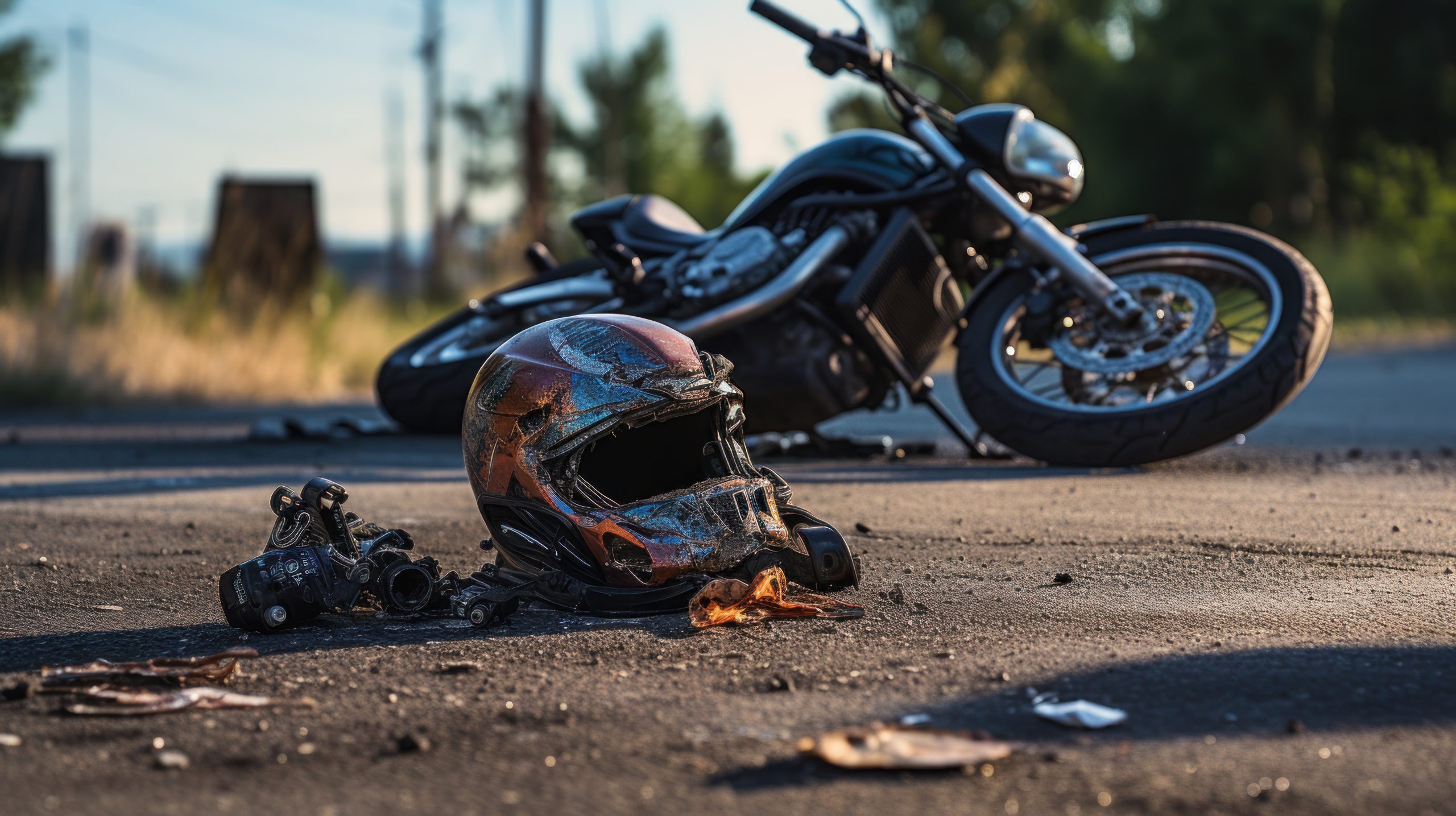
Your helmet is the most important piece of gear. Totally non-negotiable.
While choosing, make sure it has certifications like DOT, ECE, or SNELL. No need to extend your budget and go for a helmet that has the highest certifications, like SNELL. A basic DOT and ECE helmet will do the job just fine.
Another thing to keep in mind is the fit of the helmet. Make sure it is a snug fit. It should not move when you shake your head, and neither should it feel like it’s going to burst your head.
Note: New helmets can give a bit of pain around the jaw and cheek area. It is completely normal.
At last, make sure it either has an anti-fog insert like Pinlock 30 or 70.
Free Advice: DO NOT buy a second-hand helmet.
2. Choosing the Best Motorcycle Riding Gear: How Expensive Should Your Riding Jacket Be?

Here’s the most asked question: Can a cheaper riding jacket give me as much protection?
Simple answer—yes. If it has Level 2 CE armor and abrasion-resistant material (like Cordura or reinforced mesh), you’re good to go. Better ventilation, premium branding, and more pockets—that’s what separates a cheaper jacket from an expensive one. If your pocket allows and you really need these features, go ahead and buy that jacket you’ve had your eyes on for months.
Here’s a quick guide to buying a riding jacket:
- CE-approved armor: Should cover shoulders, elbows, and back.
- Abrasion resistance: Look for textile or leather.
- Fit: Snug, but allows comfortable movement.
- Weather adaptation: Get waterproof liners or mesh if you ride in different climates.
Free Advice: You can find great mid-range jackets with solid protection if you skip the flashy brand names.
3. Choosing The Best Motorcycle Riding Gear: Riding Pants

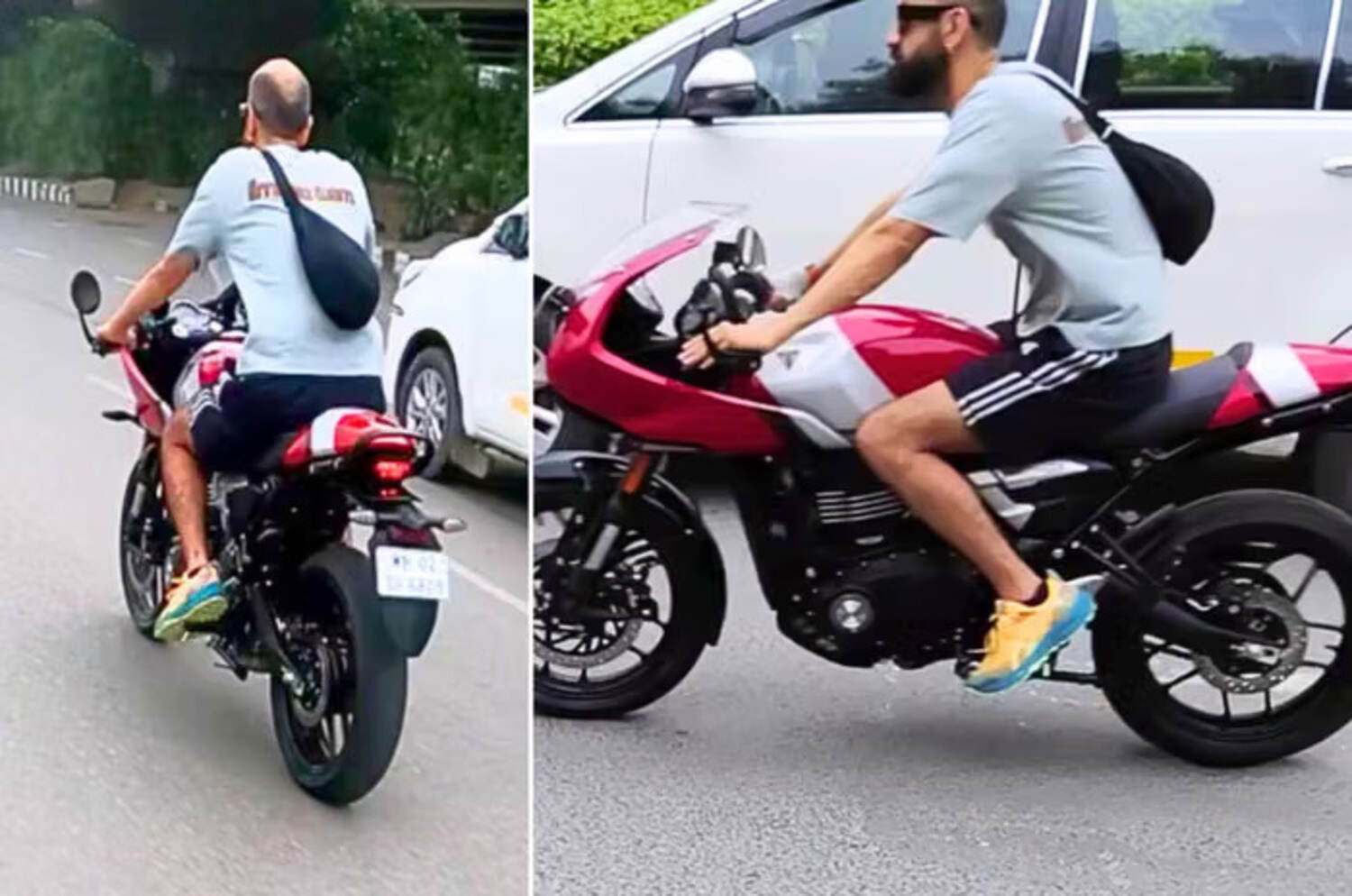
Wearing separate shin and knee protectors isn’t a great idea anymore. Instead, invest in proper riding pants.
Look for:
Water resistance, especially for longer rides or uncertain weather
Kevlar or Cordura reinforced areas
CE Level 2 armor at knees and hips
4. Choosing The Best Motorcycle Riding Gear: A Pair of Gloves

Do I really need riding gloves? Hell yeah! When you fall while riding, your first reflex is to bring your hands down to protect your body and balance.
If you’re not wearing gloves, prepare for an extremely uneasy month where doing simple chores like drinking water, washing hands, or eating food feels like the toughest job in the world.
Get any riding gloves with a knuckle protector and reinforced palm padding.
Free Advice: Try gloves on before buying. They should be snug but not tight and should allow full finger movement. You’ll really need that for comfortably using the brake and clutch levers.
5. Choosing The Best Motorcycle Riding Gear: Boots

Can I just wear my regular boots? No. That won’t protect your ankle or give you a comfortable ride.
Look for boots with oil-resistant soles and a sturdy build. And no, soft leather is not sturdy enough for boots.
If you commute daily and full boots feel like too much, there are a lot of riding sneaker options on the market. They’ll give you a casual look plus safety.
Will All This Be Enough to Save Me From a Crash?

As much as I’d love to tell you that it will be enough, I can’t. Riding gear has its limits. They can keep you safe until they can’t. Hit a tree or a car at 100 km/h, and no gear can save you.
The best thing you can do is ride safely. Not slow—safe. So practice a lot on that amazing bike of yours.
Sure, riding gear will come in handy when you have a crash. It can definitely save you from broken bones or abrasions. But you gotta be careful every time you ride!
Now, here are some FAQs:
How often should I replace my riding gear?
Helmet: Every 3–5 years or immediately after a crash
Jacket & Pants: When the armor wears out or the fabric is damaged
Gloves & Boots: If stitching comes loose or soles start failing
Is branded gear always better?
Not always. Some lesser-known brands offer excellent protection and value. Focus on:
- Certifications
- Material quality
- Proper fit
…not just logos
Do I need rain gear too?
If you ride regularly, yes. Get a separate rain suit or choose jackets and pants with waterproof liners.
Now that you have all the information, we hope you will be a better, faster, and safer rider. Enjoy!


Leave a Reply
You must be logged in to post a comment.